
her life was a syllabus
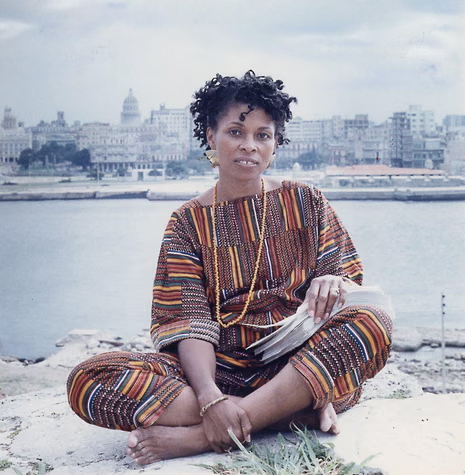
Assata Shakur has transitioned, but she has not disappeared. Death does not erase women like her. It cannot. Her name is already in the marrow of the women, the activists, the organizers and rebels who say it as a psalm against forgetting.
America called her criminal. Cuba called her citizen. We called her ours.
Assata was a continuation of the work our foremothers began. But she was also a beginning. She reminded us that the fight for freedom comes with heavy cost. Brutality and otherness and exile.
In her body we saw the ledger of America’s violence: bullets, shackles, and the long corridors of prison hospitals. And yet her body refused to be only wounded. It mothered. Her body danced on Cuban soil. It aged into the kind of survival this country cannot forgive.
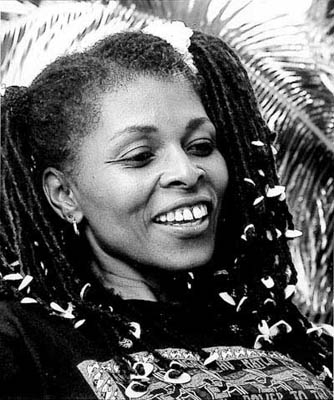
Assata Shakur gave us the gift of her story in Assata: An Autobiography. It took me three years to read it. The first chapters of this book (the first Black woman’s life story I ever read) are heavy with her arrest and the state’s brutality against her. Sixteen-year-old me had to set it down, return and return again until I could finish in undergrad. Folx online ask, “what radicalized you?” For me, it was that book.
If you’ve read Assata: An Autobiography, I’m curious—how did it land for you?
But no life as large as Assata Shakur’s can be bound to one telling. A life like that spills across borders, overflows the container, and insists on being remembered in chorus. To stop at her autobiography would be to miss the many echoes from comrades, critics, and scholars who have carried her words forward and troubled them anew.
From behind the walls of confinement, Assata wrote two letters mapping the cruelties and the solidarities of women caged by the carceral state. “Women in Prison: How We Are” is a short book that names what most of the world will not see: the slow violence lodged in daily routine, the fragile intimacies that keep women in prison alive. Later, in Still Black, Still Strong, the book she wrote with Dhoruba Bin Wahad and Mumia Abu-Jamal, she showed us her story was never hers alone but that it was braided into the struggle of revolutionaries, each one marked by repression.
Others, too, have sat with her life and written about it in essays and articles. Patrice Douglass, in an article titled Assata is Here: (Dis)Locating Gender in Black Studies, asks what Assata does to our very notions of gender. Mechthild Nagel, writing alongside Angela Davis uses Assata's “outlaw” status as a mirror turned back on America’s violence. Anna Hinton in her article A War of Minds Waged Against Bodies, shows how Assata’s bodily fragility itself became witness against the state.
And still, her name is sung in movement. Black Against Empire places her in the wide arc of Panther struggle. Mumia’s We Want Freedom remembers the weight of those days from within. Donna Murch’s Assata Taught Me pulls her into the present, makes her a teacher of the young who rose up under the banner of Black Lives Matter. These works refuse her confinement to the past. They insist she is still instructing us, and that she is still dangerous, still beloved.
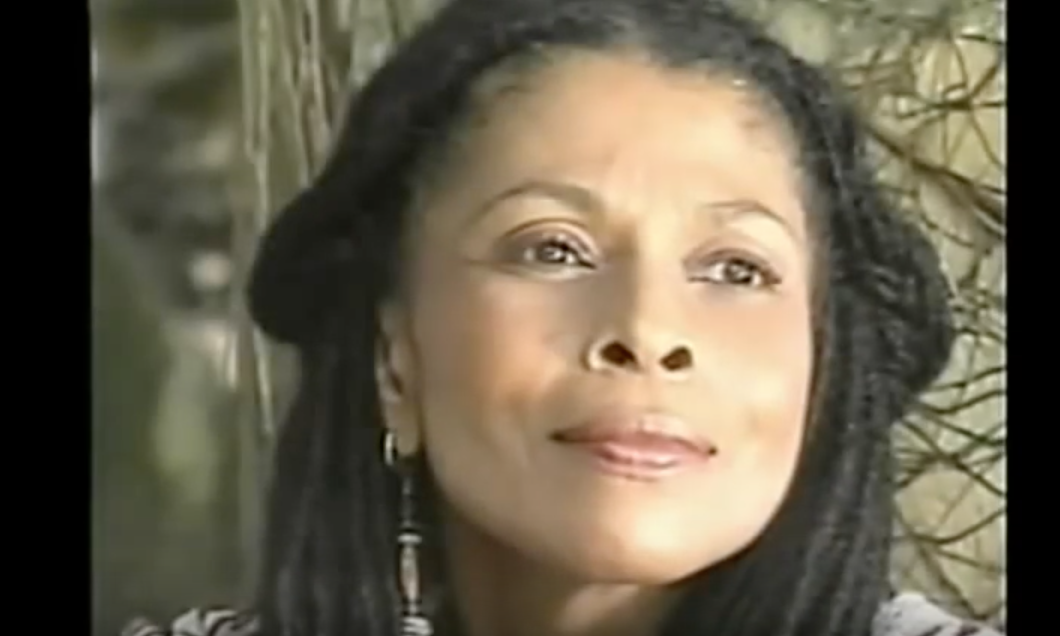
Assata’s autobiography told us what she had seen, what she endured, and how she made herself whole in the telling. And told it to us in her own words. There is freedom in that. But her autobiography was never the whole. Assata Shakur’s life was a syllabus. To read her beyond the autobiography is to refuse the state’s last word on who she was. It is to say her words and ideas still matter. That her vision is not exhausted. That she continues to speak, here, now. Her breath, while we had it, was a lesson in what it means to outlive the empire that wants you dead.
May we all learn it.
Love y’all. Mean it. If you love me back, buy me a book!
-B
FURTHER READING
 Bethany Nicole





Member discussion