hood viral
A few weeks ago, I had a couple Threads take off a little and it got me thinking. What’s the value in going viral?
Virality is quick. It floods your inbox and engulfs your timeline, but before you can process or get comfortable, the moment is gone. And it doesn’t matter if the moment is one you started, or stumbled upon.
The past month has been a masterclass in chaos.
It feels like I’m living in a political pinball machine, ricocheting between empowerment and dread.
The emotional toll has been heavy. On my best days, I feel a surge of power, imagining what it means to truly show up for my community. I see it in becoming a presence at my local library, community board meetings, and art centers. These are the days when I am reminded that Black working-class women have always been organizers1. In our workplaces, churches, neighborhoods, and homes, we have shaped history, moving change from the slums to the Oval Office and tending to the revolutions inside our own souls.
But I also have days where I am laid low by fear. Overcome by terror and resentment in equal measure. A sick combination of What’s going to happen to us? and I told you so. These disparate thoughts make for sick bedfellows. There is not enough room for me in my bed of late.
I have fucking whiplash trying to keep up with who has died, what has changed, who is responsible, how the markets shift, and how small business owners and their clientele react. I literally have a crick in my neck from checking the sky for plane debris and change.
But the disorientation is intentional. I know that, too.
When I wrote Logging Off to Tune In, I didn’t fully understand how hard it would be to untether myself from the endless scroll. The temptation to stay plugged into every headline, every post, and every viral video is strong, especially when it feels like the world is unraveling.
 Bethany Nicole
Still, I’ve made progress. My screen time has more than halved since that last post. I’ve traded Threads for threadbare bookshelves at my local library, where I’ve been spending more time than ever. The shift, for me, is Soulwork in practice. It’s an intentional reclamation of my time.
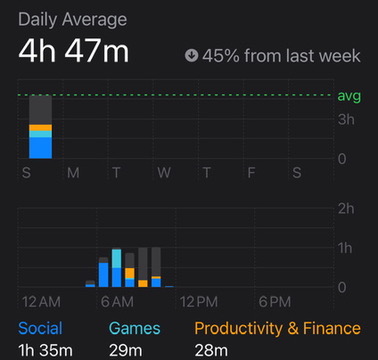
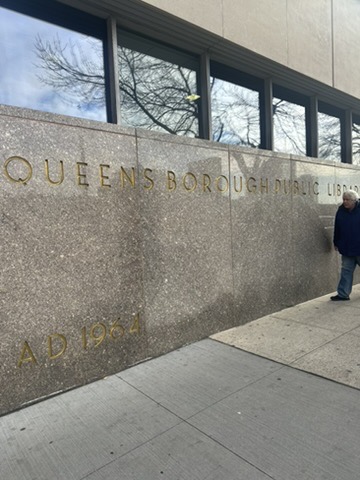
Being in physical spaces like the library, community board meetings, and local art centers has grounded me in ways social media never could. These spaces remind me that the most transformative revolutions don’t go viral—they go local.
SOULWORK
At its core, Soulwork insists on the sanctity of the soul as a site of freedom. It challenges the commodification of our bodies, minds, and time by systems of oppression, and instead calls us to reclaim these as sacred, sovereign, and purposeful. This reclamation is an act of defiance, a refusal to be reduced to tools of labor or consumption.
And right now, that reclamation demands that we move.
It’s Time to Really Organize
Black women have always been at the forefront of organizing. On factory floors, in church basements, and around kitchen tables. We have shaped movements with little more than our voices, our hands, and an unyielding belief in each other.
I no longer care about going viral on the internet. I want to go viral in my community where the impact is tangible, the change is visible, and the connections are real.
That means taking real steps. We have to move beyond digital activism and reinvest in independent media, in-person gatherings, and direct action. We need pamphlets. Community circles. Off-grid consulting. We need to meet face-to-face, have conversations that aren’t flattened by algorithms, and build movements that don’t depend on social media to exist.
That doesn’t mean abandoning digital organizing. Social media has allowed isolated, disabled, and otherwise marginalized people to engage with movements, share ideas, and build community in ways we wouldn’t otherwise be able to. That matters. Amplification matters.
But the shift is mental first. The goal isn’t to get off social media, it’s to make sure our work leads beyond it. Our activism, our art, our organizing should ultimately change something in the real world: in our homes, our neighborhoods, and our cities.
Because at the end of the day, what’s the point of going viral if nothing changes?
How You Can Start
1. Find Your Local Power Hubs
- Community Board Meeting: Google "[your city] community board meetings" and write down the next meeting date. Go. Speak or just listen.
- Library: Visit your local library this week. Ask the staff about community events, free resources, or volunteer opportunities. Pick one and show up.
- Arts & Culture: Look up “free events near me” or check Eventbrite for local art exhibits, open mics, or cultural meetups. Attend one in the next two weeks. Bonus: Bring a friend to any of these power hubs.
2. Get in the Room Where Decisions Happen
- Faith-Based Groups: Even if you’re not religious, churches and mosques run food banks, tenant unions, and mutual aid. Search “[your city] church social justice” and make a list of three. Contact one.
- City Council Meetings: These control local laws, funding, and policies. Find your district rep and their meeting schedule. If you can’t go, read the last meeting minutes and email them about an issue you care about.
3. Support Black-Led Organizing (Without Reinventing the Wheel)
- Find three local organizations doing work you care about (mutual aid, prison abolition, reproductive justice, etc.). Follow them. Donate $10 if you can. Offer a skill (graphic design, admin help, event setup).
- Search “mutual aid groups in [your city]” and see where you can plug in. Many groups need people to pick up groceries, drive elders, or distribute funds.
4. Build Your Real-World Network (Beyond the Algorithm)
- Create a Local Resource List: Make a Google Doc with the names of local food banks, legal aid clinics, and activist groups. Share it widely—in your building, on social media, in barbershops, at community centers.
- Collect Contact Info IRL: Social media could shut down tomorrow. Who would you still be connected to? Make an email list, group chat, or phone tree with people who want to stay engaged.
Invest in Independent Media
📢 Subscribe to this Substack. A paid subscription helps me continue writing, researching, and organizing. It funds the work, not the algorithm.
💡 Support Other Black & Independent Creators. If you already subscribe here, choose another writer, journalist, or organizer whose work nourishes you and invest in their platform this month. A few dollars can keep radical, necessary voices alive. Here are a few of my faves:

Musings From A Broken HeartTheology, poetry, reflections, and restful meditations from a Black man in processBy Robert the contemplativethis.musings on the things that keep us connectedBy Camille
This isn’t new work, but it’s necessary work. Soulwork is about action, about shifting from scrolling to showing up.
Soulwork isn’t about having all the answers. It’s about showing up to the job of moving gently forward anyway.
So, I’ll leave you with this reflection:
What would it look like for you to go viral in your hood?
Let’s move. Let us do the work our souls must have.
Love y’all. Mean it. If you love me back, Buy Me A Book!
-B
Nadsen, Parmilla. Household Workers Unite. ↩




Member discussion